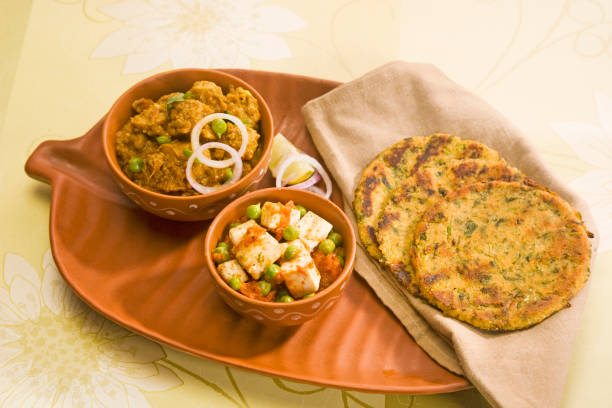

Indian food offers a wide variety of flavors, scents, and hues. Indian cuisine may be both intriguing and a little scary to people who are new to cooking or are just starting to experiment with vegetarian dishes. It may seem like something best left to skilled cooks due to the large variety of spices, regional styles, and traditional ways. In actuality, though, a lot of Indian vegetarian dishes are surprisingly easy to prepare, call for only basic ingredients, and are perfect for novices who wish to spice up their meals while still adding nutrition.
Indian customs and culture have a strong vegetarian foundation. Due to religious or ethical reasons, many Indian homes eat vegetarian food, which has resulted in the creation of a very tasty and adaptable vegetarian cuisine. Vegetarian dinners don’t have to be monotonous or repetitive, as Indian cuisine demonstrates. Rather, they can be filling, robust, and full of personality.
It’s beneficial for someone who is new to Indian cuisine to start with recipes that employ everyday pantry products and need little preparation. Thankfully, rice, lentils, potatoes, tomatoes, onions, and a few key spices are the main ingredients of the majority of beginner-friendly Indian vegetarian meals. It will be simpler to try out various recipes and flavors once you have mastered a few fundamental methods, such as cooking lentils, tempering spices, or creating simple curry bases.
Dal, a hearty lentil stew that is the foundation of many Indian dishes, is a fantastic place to start. Dal is simple to make and can be made with a variety of lentils, including yellow moong, toor, and masoor. After the lentils are tender from boiling, you temper them with a mixture of spices that have been cooked in ghee or oil. To add flavor to the cooked dal, this tempering—which frequently contains cumin seeds, mustard seeds, garlic, and dried chilies—is poured over it. Dal is a filling, high-protein meal that is best enjoyed with roti or simple steamed rice.
The easy potato curry known as aloo sabzi is another popular dish that is suitable for beginners. You may make a recipe that goes well with rice or roti using just a few spices, tomatoes, and boiled or sautéed potatoes. Because of their adaptability and exquisite spice absorption, potatoes are commonly utilized in Indian cooking. You can experiment with several aloo-based dishes like aloo matar (potato with green peas), aloo gobi (with cauliflower), or even spicy dry-fried versions for a difference in texture once you’ve mastered one.
Another pantry staple that frequently takes center stage in Indian vegetarian cookery is chickpeas, also known as chana. One of the most well-liked meals in Indian restaurants is chana masala, which is also surprisingly easy to make at home. A tomato-onion sauce flavored with ginger, garlic, cumin, coriander, and garam masala is used to stew cooked chickpeas. The dish is brightened by a little lemon juice at the end. While dry chickpeas can be soaked overnight for a more conventional method, canned chickpeas make this dish even faster for novices.
For novice cooks, rice-based recipes are extremely adaptable and accessible. Rice is cooked with vegetables and mild spices like bay leaves, cloves, and cinnamon to make vegetable pulao, a one-pot dinner. It offers a mild start to rice meals with spices without the intricacy of biryani. Even easier is jeera rice, which is just plain rice spiced with cumin seeds. It’s a great accompaniment to any dish and takes very little work.
Though they may appear sophisticated, Indian flatbreads like chapati and paratha are completely possible at home with a little effort. The only ingredients needed to make chapatis are whole wheat flour, water, and a dash of salt. The dough is then kneaded and formed into thin circles, which are then cooked on a hot pan. Similar to parathas, they frequently contain fillings like paneer or spicy potatoes. Starting with simple chapatis allows you to experiment with different combinations for your dals and curries and offers you a sense of success.
For weekday meals, vegetable stir-fries and dry sabzis are perfect. Bhindi masala, a dry meal made from sautéed okra with onions, tomatoes, and spices, is one such instance. It cooks quickly and pairs well with rice or dal. All you need is turmeric, chili powder, mustard seeds, and a little salt to make tasty dry stir-fries of other veggies like cabbage, carrots, spinach, and green beans.
There are also several of options in South Indian cuisine that are suitable for beginners. Upma, a savory semolina porridge cooked with onions, mustard seeds, green chilies, and occasionally vegetables like peas or carrots, is one of the most popular. Quick to prepare, it makes a filling and substantial breakfast or light meal. Similarly, lemon rice, which is made by combining cooked rice with lemon juice, curry leaves, mustard seeds, and turmeric, is a tasty and vibrant dish that’s simple to prepare and a great way to use up leftover rice.
Indian food is great if you like small dishes and snacks. Make some pakoras, which are deep-fried vegetable fritters made with gram flour batter. The only ingredients needed to make onion pakoras are chopped onions, gram flour (besan), and seasonings like cumin and chili powder. On a rainy day, these are a great treat to have with chai. Poha, a light dish made from flattened rice cooked with turmeric, green chilies, mustard seeds, and onions, is another favorite. It’s filling, warming, and quick.
In essence, preparing curry is a process of developing flavors, even though it may seem mysterious to novices. Usually, it begins with golden-fried onions, then ginger and garlic, tomatoes, and spices such chili powder, turmeric, cumin, and coriander. This serves as the foundation for adding paneer, beans, or veggies. You can make a range of curries with different basic ingredients and customize the spices once you get the hang of it.
Dairy is also used extensively in Indian cuisine, particularly in vegetarian dishes. A common ingredient in many homes is paneer, a soft cheese that maintains its shape when cooked. It can be purchased already made or made at home with milk and lemon juice. Paneer bhurji, a scrambled meal made with crumbled paneer, onions, tomatoes, and spices, is among the most basic paneer dishes. A classic that is both nourishing and decadent is palak paneer, which is paneer cubes cooked in a spicy spinach puree.
Indian cuisine promotes mindfulness and equilibrium, which is one of its lovely features. The majority of meals are composed of a blend of grains, legumes, vegetables, and spices that are not only palatable but also beneficial to the body. As you start preparing Indian cuisine, you’ll also gain a more instinctive awareness of how spices complement one another for warmth, complexity, and aroma in addition to heat and color.
In Indian cooking, having a few basic spices on hand, such as cumin, mustard seeds, turmeric, coriander, red chili powder, garam masala, and asafoetida (hing), can make a big difference. With these fundamentals, you may prepare a variety of foods and enhance their natural flavors. You can gradually add more spices to your collection and experiment with local mixes like panch phoron, chaat masala, and sambar powder.
Although it may seem like a major step, cooking Indian food at home is incredibly fulfilling. You have more control over the ingredients, can customize the amount of spice to your preferred level, and get a kick out of making something tasty from scratch. Indian vegetarian food provides wholesome, reasonably priced, and incredibly adaptable meals for families, students, or anybody experimenting with plant-based diet.
Additionally, preparing these meals at home fosters a greater understanding of India’s many culinary traditions. Indian cuisine is a living tradition rather than a set recipe because every area, community, and home has its own variants and preferences. After mastering the fundamentals, you’ll probably start exploring, improvising, and even making your own signature renditions.
Cooking vegetarian Indian food as a beginner is ultimately about experimentation more than perfection. Cook with curiosity, start with easy dishes, and have fun. Indian cuisine is not only tasty but also incredibly fulfilling because of the simple, everyday joys of sharing pakoras with friends, the comfort of spiced rice, and the warmth of a home-cooked dal. The flavors of Indian vegetarian cuisine make an impression, whether you’re cooking for yourself or other people. This will encourage you to return to the kitchen time and time again.