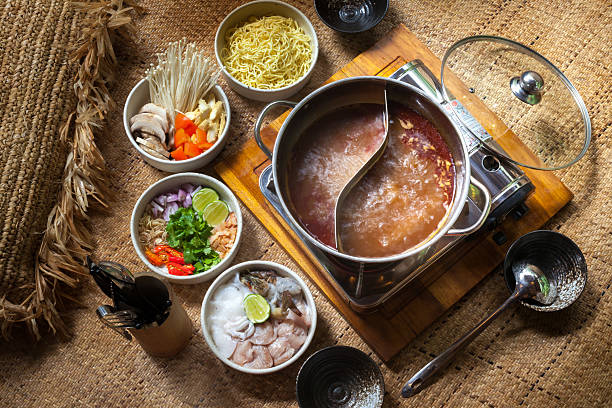

At first, preparing real Thai food at home might seem difficult, but as you learn more about its components and preparation methods, you’ll discover that Thai cooking is firmly based on intuition, balance, and freshness. It’s not only about following a recipe; it’s also about experiencing the meal as it develops—tasting frequently, experimenting with flavors, and realizing the balance that characterizes Thai cuisine. If a Thai dish has ever caused you to pause in the middle of your bite, it probably wasn’t because it was intricate or elaborate, but rather because it struck the ideal balance of sour, spicy, salty, and sweet flavors all at once. The appeal of Thai cuisine lies in its ability to be both colorful and grounded, tasty and approachable.
Understanding that many Thai meals center around a basic set of ingredients is helpful when beginning to prepare Thai food at home. These are specific but not necessarily ostentatious or costly. The basic ingredients that give Thai cuisine its unique flavor include fish sauce, palm sugar, lime, lemongrass, kaffir lime leaves, Thai basil, and galangal. You don’t have to buy them from a specialty store every week, and you don’t need everything at once. You’ll discover that many Thai recipes are quicker and easier to create than you would have thought if you have a few of these basics in your kitchen.
The main ingredient in most Thai dishes is rice. The most popular type of rice is jasmine rice, which is valued for its mild texture and subtle scent. It serves as the foundation for saucy foods, curries, and stir-fries. In Thailand’s north and northeast, sticky rice is a staple food that goes well with grilled meats and larb. The foundation is learning how to prepare rice properly. It is an essential component of the meal, not merely a side dish. The way the rice enhances the flavors of the dish depends on how it works with the other ingredients. The tangy juices of a spicy papaya salad or the heat of a green curry can be absorbed by fluffy jasmine rice.
Thai food isn’t afraid to use strong flavors. In fact, its skillful balancing of opposites is one of its distinguishing features. For instance, in a dish like tom yum soup, the acidity of the lime juice, the sharpness of the chilies, the earthiness of the mushrooms, the sweetness of the tomatoes, and the saltiness of the fish sauce all work with rather than against each other. It’s useful to consider these flavors as dials rather than switches when preparing it at home. The temperature can be adjusted. To make things more balanced, you can add extra lime or a touch of sugar. This kind of adaptability is encouraged by Thai cookery, which also encourages frequent tasting and adjustment.
Pad Thai is arguably the most well-known Thai meal outside of Thailand. It is essentially a straightforward stir-fried noodle meal. After soaking and stir-frying rice noodles with tofu, egg, bean sprouts, and frequently chicken or shrimp, they are combined with a tamarind-based sauce that combines flavors of sourness, sweetness, and savoryness. The dish’s success or failure depends on the sauce, which is simple to prepare at home with tamarind paste, fish sauce, palm sugar, and a squeeze of lime. Fresh cilantro and crushed peanuts complete the dish. After preparing pad Thai a few times, you’ll discover how minor adjustments to the sauce’s ratios or the freshness of the ingredients can completely alter the dish’s flavor.
Another staple of Thai cuisine are curries, which come in a variety of hues and each has its own distinct personality. These hues include green, red, yellow, Massaman, and Panang. Using a mortar and pestle, pound ingredients such as chilies, garlic, shallots, lemongrass, galangal, and spices to create homemade Thai curry pastes. Nonetheless, store-bought curry paste is an excellent place to start for novices and is readily available. Careful simmering and using fresh ingredients are essential for a delicious Thai curry. The creamy foundation is made from coconut milk, and you can completely alter the proteins and vegetables you use. For instance, fresh basil, chicken or tofu, eggplant, and bamboo shoots might all be found in a Thai green curry. The punch of the green chilies in the paste is counterbalanced by the richness of the coconut milk.
Another crucial method in Thai cookery is stir-frying. Using only a few ingredients, dishes like pad kra pao—stir-fried meat with holy basil—are prepared rapidly over high heat. Typically, the sauce is a straightforward mixture of oyster sauce, fish sauce, and a small amount of sugar. It’s difficult to match the aromatic edge that fresh Thai basil adds with other herbs. A crispy fried egg with the yolk still runny is placed on top of this dish, which is served over rice. It is the type of dish that can be prepared in less than 20 minutes and has the flavor of something from a street seller in Bangkok.
A common comfort food in Thai homes is soup. In addition to tom yum, there is tom kha, a flavorful coconut soup made with kaffir lime leaves, lemongrass, and galangal. Compared to tom yum, the flavor is softer and more calming, and the texture is silky. Like most Thai dishes, it welcomes balance and works well with chicken, tofu, and mushrooms. It is complex without being challenging because of the layers of coconut milk’s gentle sweetness, the sharpness of the lime, and the saltiness of the fish sauce.
Thai salads differ from the leafy greens commonly found in Western cuisine. Rather, they are flavorful, crispy, and peppery. Shredded unripe papaya, cherry tomatoes, green beans, peanuts, garlic, and chilies are all combined in a mortar with lime juice, fish sauce, and palm sugar to make the traditional green papaya salad known as som tam. It is simultaneously refreshing and scorching. A comparable crunch can be achieved using carrot or cucumber, however green papaya may not always be accessible.
Learning the rhythm of Thai cooking is one of the pleasures of preparing Thai food at home. Thai dinners are intended to be shared, with several dishes on the table that contrast and enhance one another, in contrast to Western meals that may have a starter-main-dessert format. A basic dinner can consist of rice, curry, salad, and stir-fry, each of which has a unique flavor. This kind of eating promotes balance and diversity in a way that is fulfilling and whole.
It may first take some exploring to get Thai ingredients. Fresh lemongrass, Thai chilies, galangal, and specialized sauces are best found in Asian stores. It comes naturally if you know what to look for. You can make minor adjustments to many recipes depending on what you have on hand. Although Thai basil may be difficult to locate, its freshness can be replicated with ordinary basil and a dash of mint. For a comparable effect in some recipes, lime juice and brown sugar can occasionally be used in place of tamarind paste. Thai cooking is tolerant enough to allow for originality, and while authenticity is preferable, flavor is the main objective.
Thai cuisine can also be incorporated into your home kitchen through snacks and street food. There are countless ways to broaden your repertoire, from peanut sauce on grilled skewers to crispy spring rolls. Thai satay, marinated in spices and coconut milk, is served with a creamy, spicy-sweet peanut dipping sauce after being grilled. Dishes like this are ideal for parties or even a weekend treat. They serve as an example of how Thai cuisine can be both festive and casual.
Thai food even offers a distinctive and easily accessible dessert. A popular combination of warm coconut sticky rice, ripe mango slices, and a sweet coconut sauce drizzle is mango sticky rice. It’s straightforward, lovely, and incredibly fulfilling. Thai desserts are lighter and more refreshing than typical Western sweets since they frequently contain rice, coconut, and tropical fruit.
Cooking Thai food is similar to learning a language. You get more fluent as you practice, both in terms of competence and your comprehension of the interactions between flavors. Instead of strictly following directions, it’s about cultivating your taste, following your gut, and navigating a meal by feeling your way through it. Thai cooking at home adds a little bit of Thailand to your daily life, adds color to your kitchen, and adds excitement to your meals.
In the end, perfection isn’t the goal of traditional Thai cookery. It’s all about the experience—the burst of lime over a finished dish, the smell of crushed lemongrass, the sizzling of the pan. It’s about enjoying a meal that you prepared yourself and feeling pleased of it—not because it’s flawless, but rather because it’s bursting with taste, love, and an adventurous attitude. Once you start, you might find yourself going back to these flavors time and time again, not only because of the food but also because cooking it makes you happy.