
One of those daily rituals that appears straightforward at first glance is oral hygiene: brush, rinse, and floss if you’re feeling particularly conscientious. But even though it seems simple, a lot of people unintentionally make blunders that harm their gums and teeth. These are little behaviors that don’t initially appear to be dangerous and are frequently formed over years. However, they may eventually result in tooth loss, gum disease, cavities, sensitivity, and foul breath. The problem is that a lot of these dental errors are so frequent that people aren’t even aware they’re errors.
Brushing is perhaps the most basic component of any oral hygiene regimen, so let’s start there. You are undoubtedly aware that brushing twice a day is recommended. However, brushing technique is just as crucial as frequency. Brushing too hard is one of the most common errors. Many people think that their teeth will be cleaner if they brush harder. Scrubbing vigorously is gratifying, especially when attempting to remove stains or plaque. However, vigorous brushing actually damages the gums and wears down enamel, which causes them to recede. Technique is more important than force. Soft-bristled toothbrushes work far better and are much nicer to your mouth when used in gentle, circular strokes.
Not brushing long enough is another common error. Many of us don’t take the full two minutes to brush our teeth because we’re in a hurry to get out the door or into bed. In the short term, that might not seem like much, but over time, it means that some areas—particularly the ones that are difficult to reach—do not receive the necessary attention. Cavities can develop there due to plaque accumulation. You can make sure you’re dedicating enough time to the activity by using a timer or brushing while listening to a brief song.
Another big mistake is not flossing. Many people believe that brushing well is sufficient. However, only about 60% of your tooth surfaces are cleaned by brushing alone. Flossing is the only way to get to the rest, which includes the areas beneath the gum line and between your teeth. Plaque and food particles can remain in areas where bacteria flourish if this step is skipped. This can eventually result in tooth decay, foul breath, and inflamed gums. At first, flossing may seem time-consuming, but once it becomes second nature, it’s quick and rewarding.
Another area where individuals frequently make mistakes is mouthwash. Mouthwash is not a substitute for brushing or flossing, despite what some people believe. It is not a replacement for mechanical cleaning, but it can be a useful supplement to your regimen, particularly if you want to target bacteria or freshen your breath. Moreover, a lot of individuals use mouthwashes that are really harsh or have a lot of alcohol, which can dry out the mouth and upset the normal bacterial balance. A mild, alcohol-free mouthwash is frequently a better option, particularly for people who have dry mouth or sensitive gums.
Another seemingly sensible mistake is brushing shortly after eating, which might actually be more detrimental than beneficial, particularly if you’ve just consumed acidic food or beverages. Your enamel becomes momentarily softer when you eat citrus fruits, soda, alcohol, or other acidic foods. That weakened enamel can be worn away if you brush too soon after. Instead, wait at least half an hour before brushing and rinse your mouth with water. This enables your enamel to spontaneously re-harden and the pH in your mouth to balance.
Additionally, some people undervalue how important it is to change their toothbrush on a regular basis. In addition to not cleaning your teeth well, a toothbrush with frayed bristles may cause irritation to your gums. Generally speaking, toothbrushes should be changed every three to four months, or sooner if the bristles are no longer firm and straight. Even with superb technique, continuing to use an outdated toothbrush lowers the quality of your oral care.
Another common mistake is to ignore the tongue. Food particles and bacteria can accumulate on the tongue’s surface, causing poor breath and possibly compromising oral health in general. You may keep your mouth cleaner overall and drastically reduce odor by only brushing your tongue or using a tongue scraper once a day.
Bruxism, or clenching or grinding of the teeth, is a mistake that frequently goes unrecognized. Many people don’t even realize they do this, and it typically occurs at night or under stressful situations. It can eventually erode teeth, make them sensitive, and possibly result in headaches or jaw pain. It’s worthwhile to consult your dentist if you observe symptoms such as jaw pain or flattened tooth surfaces. You can avoid long-term damage to your teeth while you sleep by using a simple nightguard.
Dietary decisions can have a significant impact on dental health, and people frequently make mistakes in this area without recognizing it. Regular snacking exposes your teeth to frequent acid attacks, particularly when you eat sweet or starchy meals. Even nutritious treats, such as sweet, sticky dried fruit, can adhere to teeth and encourage decay. Another behavior that gradually erodes enamel is consuming acidic or sugary drinks throughout the day, such as soda, juice, or even lemon water. It is preferable to eat these things with meals as opposed to drinking them all at once. Acid neutralization can also be achieved by eating sugar-free gum or by drinking water afterward.
Another surprisingly prevalent error is using teeth as instruments. Chips, fractures, and long-term damage can result from using your teeth for anything other than eating food, such as splitting nuts, tearing tags off clothing, or opening bottle caps. Despite their strength, your teeth are not unbeatable. You can prevent future needless dental treatments by taking good care of them.
One of the biggest and most permanent errors people can make is skipping dental appointments. There are certain things that a dentist can identify and clean that you just cannot do on your own, even if you are brushing and flossing flawlessly at home. Frequent examinations, ideally twice a year, aid in identifying problems early on, when treatment is simpler and less costly. Missing appointments enables issues like gum disease, cavities, or oral malignancies to worsen undetected. Furthermore, the harm is typically already done when discomfort starts.
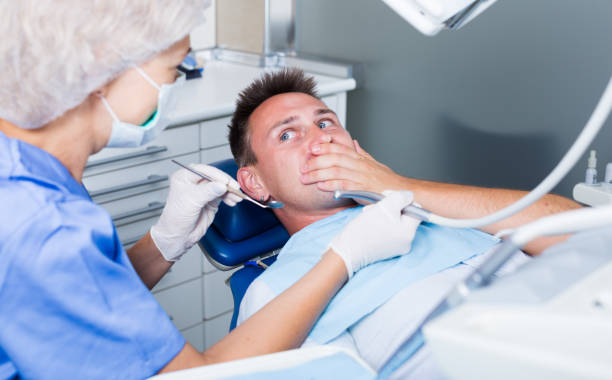
People who have dental anxiety or have had a negative dental experience in the past may avoid the dentist out of fear, but this will only cause more complicated problems in the future. With instruments and methods that greatly lessen discomfort, modern dental offices are far more patient-focused. Developing a rapport with a caring dentist can greatly enhance the comfort of your visits.
Additionally, some people abuse whitening solutions by using them excessively or by selecting harsh products. Too much usage of over-the-counter whitening products can damage enamel and create tooth sensitivity, but they can also help erase stains. Before starting any teeth-whitening procedure, it is usually preferable to speak with a dentist to ensure that it is both safe and suitable for your particular dental condition.
Your oral health may even be impacted by the kind of water you consume. The preventive effects of fluoride may be lost in places without fluoridated water. Although handy, bottled or filtered water frequently lacks fluoride. Although you don’t have to give up drinking bottled water completely, you might want to use fluoride toothpaste or contact your dentist about alternative fluoride sources if your tap water isn’t fluoridated.
Lastly, presuming that oral health is less significant than other facets of health is one of the most widespread errors. It’s simple to overlook what’s happening within your mouth in favor of food, exercise, or skincare. However, there is a close relationship between your oral health and the rest of your body. Gum infection bacteria have the ability to enter the bloodstream and impact the heart. Inadequate dental care has been connected to lung infections, diabetic difficulties, and even unfavorable pregnancy outcomes.
Being aware of these typical errors is more important than feeling bad about them. Habits develop over time, and most of us weren’t taught all the subtleties of dental care when we were growing up. The good thing is that adjustments may always be made at any time. Consistently making even minor changes can result in better teeth, cleaner breath, and fewer dental visits.
One of the first things people notice about you is your grin. It represents your well-being and self-care, which goes beyond appearances. Spending a little time every day on proper dental care is an investment in your health, not merely a way to prevent cavities. The next time you grab your toothbrush, keep in mind that oral hygiene is more important than you may imagine.