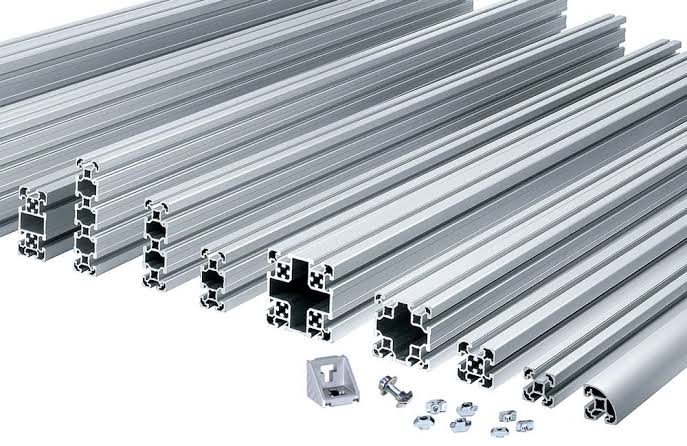

Accurate inspection depends on more than the measuring device placed on a table. A well-built station keeps instruments stable, positions parts consistently, and gives operators clear access to controls, lighting, and data screens. MiniTec extruded aluminum framing supports these needs through modular components that can be arranged around the exact testing process.
Why Inspection Stations Need a Stable Frame
Measurement equipment can produce unreliable results if its supporting structure flexes, rocks, or shifts during use. Rigid profiles, reinforced corners, and properly spaced cross members help keep gauges, cameras, fixtures, and sensors aligned. Stable aluminum framing material also supports repeatable part placement, which matters when workers inspect hundreds of identical components.
Vibration deserves attention near presses, conveyors, motors, or forklift routes. Isolation pads, leveling feet, and separate instrument platforms can reduce movement transferred into sensitive equipment. Designers may also place heavy devices lower in the frame to improve balance and limit unwanted motion.
Modular Profiles Fit Different Testing Processes
Inspection tasks vary widely between industries. One station may hold a vision camera and computer monitor, while another supports pressure gauges, electrical testers, barcode scanners, and custom fixtures. T slot aluminum extrusion allows each component to mount at a practical height and distance without requiring welded tabs.
Changes become easier after production begins. Technicians can loosen a bracket, slide a rail, or add another support as the testing sequence develops. That adjustability makes an extruded aluminum T slot system useful for prototype lines, mixed-product facilities, and stations that receive frequent equipment upgrades.
Adjustable Work Surfaces Improve Operator Comfort
Bench height affects posture, reach, and inspection speed. Fixed tables may force shorter workers to reach upward or taller workers to bend throughout a shift. A properly designed aluminum framing kit can include adjustable legs, movable shelves, monitor arms, and angled control panels.

Ergonomic layouts also reduce unnecessary handling. Frequently used tools should sit within easy reach, while screens should remain visible without repeated head turning. Footrests, document holders, keyboard trays, and task lights can attach directly to the framing channels and move as operator needs change.
Lighting Can Be Built Into the Structure
Good lighting helps inspectors see scratches, uneven finishes, missing parts, and dimensional markings. Overhead rails can support LED fixtures without taking space from the main work surface. Side-mounted lights may reduce shadows around deep parts or recessed features.
Brightness alone does not guarantee clear visibility. Glare, reflection, and color temperature can affect how surfaces appear under inspection. MiniTec Aluminum Framing makes it possible to reposition light brackets until the station provides consistent coverage for the product being checked.
Fixtures Keep Parts in a Repeatable Position
Reliable testing often depends on placing each component in the same location and orientation. Stops, clamps, locating pins, nests, and guide rails prevent operators from setting parts differently between cycles. Consistent positioning helps cameras, probes, and gauges collect comparable measurements.
Custom fixtures can mount to a T slot extrusion base plate or supporting frame. Slots allow fine adjustments during setup, while mechanical fasteners keep the fixture secure once alignment is complete. Replacement tooling can also be installed without rebuilding the entire station.
Screens and Controls Stay Organized
Inspection stations often include computers, touchscreens, printers, scanners, and programmable controllers. Monitor arms and control enclosures can connect directly to MiniTec extruded aluminum framing, keeping equipment above the work surface and away from moving parts. Mounted displays also free space for samples, paperwork, and measurement tools.
Cable routing should be planned with the equipment layout. Clips, covers, trays, and enclosed channels help separate power cords from data cables while keeping wires away from feet and sharp edges. Accessible routing makes future maintenance easier because technicians can trace and replace connections without dismantling large sections.
Guards Protect Workers and Sensitive Equipment
Testing processes may involve moving fixtures, electrical components, pressurized lines, lasers, or automated devices. Clear panels, mesh guards, doors, and interlocks can form a controlled area around the station. T slot aluminum extrusion provides mounting points for these safety parts without requiring permanent welding.
Removable panels improve service access. Hinges, latches, and lift-out sections allow technicians to reach equipment while keeping the normal operating area enclosed. Appropriate guarding still depends on a formal risk review and the hazards created by the specific test.
Shelving and Storage Keep Tools Close
Organized storage prevents gauges, samples, and adapters from covering the main inspection area. Lower shelves can hold test equipment, while upper rails support bins for small components. Drawer units, hooks, and tool boards give each item a fixed location.
Orderly stations also reduce the chance of using the wrong fixture or calibration standard. Labels, color-coded holders, and dedicated spaces help workers identify the correct device quickly. Modular accessories can move whenever the testing routine changes.
Mobility Works for Shared Testing Equipment
Portable stations help facilities share costly equipment between production areas. Casters allow the complete structure to move without removing instruments, monitors, or fixtures. Locking wheels and stabilizing feet keep the station steady after it reaches the next work area.
Careful weight distribution prevents a mobile frame from becoming top-heavy. Larger devices should sit near the base, and frequently pulled drawers should not shift the center of gravity too far forward. Handles also need placement that gives workers good control while turning or stopping.
Detailed Planning Produces a Better Station
Successful inspection stations begin with equipment dimensions, operator reach requirements, test sequences, and utility locations. Designers should also account for calibration access, future devices, part flow, and maintenance space before ordering profiles. Thoughtful planning prevents crowded work surfaces and awkward last-minute brackets.
MiniTec Solutions offers MiniTec Aluminum Framing, matching accessories, and modular parts for building inspection and testing stations. These components help manufacturers create sturdy, flexible work areas that improve measurement accuracy, keep equipment organized, support safer operation, and allow future updates without rebuilding the entire frame.