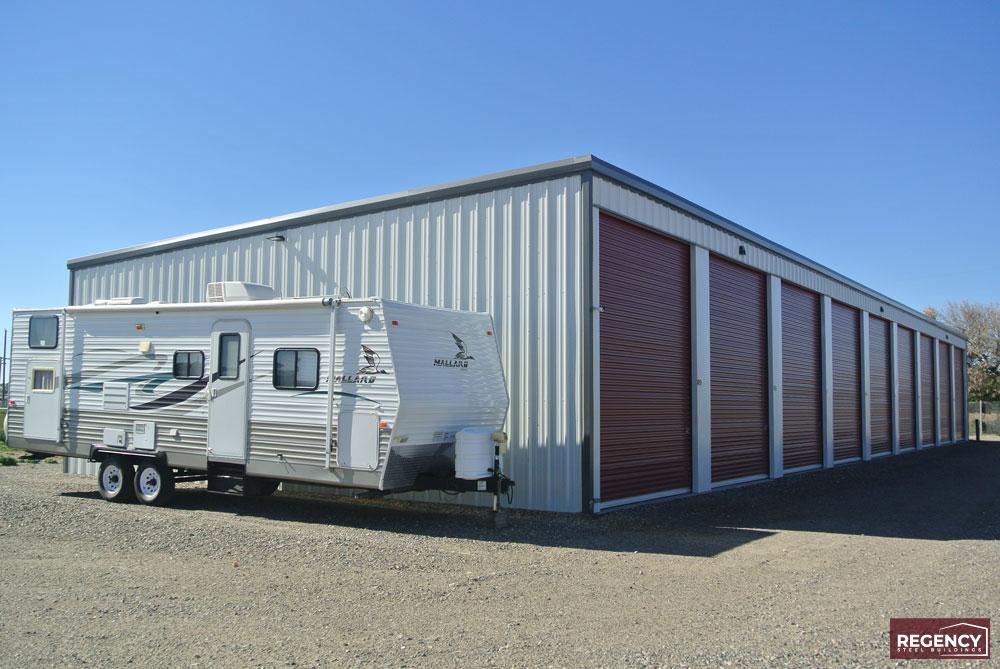

Arrival procedures can shape the entire storage experience before an RV reaches its assigned space. Clear access rules help drivers enter, park, inspect, and leave without blocking traffic or risking contact with gates, posts, and nearby vehicles. Owners who understand the process ahead of time can use RV storage more safely and with fewer delays.
Confirm Access Hours Before Planning a Visit
Facility access hours may differ from office hours, so owners should verify both before making a trip. Gate access may begin early and end later than staff availability, which matters if a problem occurs with a code, lock, or assigned space.
Holiday schedules can also change normal entry times. Checking the posted hours before departure prevents an RV from arriving after the gate has stopped accepting access codes. Drivers planning an early pickup for a road trip should allow time for loading, inspections, and unexpected delays.
Keep Gate Codes Private and Ready
Personal access codes help facilities identify authorized entries and maintain a record of gate activity. Sharing a code with friends, service workers, or family members can weaken that control and may violate the rental agreement.
Saving the code securely reduces fumbling at the keypad while the vehicle blocks the entrance. Owners should stop close enough to reach the controls without placing mirrors, tires, or the trailer near curbs and posts. Tailgating another vehicle through the gate should be avoided because the barrier may close before both vehicles pass.
Study the Entry Route Before Bringing the RV
A daylight visit gives drivers a better view of gate width, road angles, overhead clearance, drainage dips, speed bumps, and turning areas. Large motorhomes and trailers may need more space than a passenger vehicle to approach the property safely.
Photos and maps can help, but they do not always show parked vehicles or tight corners. Walking the route allows owners to notice low branches, signs, lighting fixtures, and narrow sections before arriving with the full setup.
Use a Spotter in Tight Areas
Backing a trailer or long motorhome becomes easier when a spotter watches blind areas from outside. Clear hand signals or phone communication should be agreed upon before the driver starts moving.
Standing beside the RV is safer than remaining directly behind it. Spotters need to stay visible in a mirror and keep away from the vehicle’s path. Any loss of visual contact should prompt the driver to stop until communication returns.
Follow Posted Speed and Direction Rules
Low speed limits give drivers more time to react to pedestrians, open compartment doors, parked trailers, and vehicles pulling from storage spaces. Slow travel also reduces trailer sway and makes sharp turns easier to control.
One-way lanes should be followed even when a shortcut appears open. Entering from the wrong direction can create a difficult meeting between two oversized vehicles with little room to pass. Posted arrows and signs help maintain predictable movement throughout RV storage units.
Prepare the Assigned Space Before Backing In
Wheel chocks, tire pads, covers, and other supplies should be ready before the vehicle enters the final position. Searching through compartments while the RV blocks a lane delays other customers and increases exposure to passing traffic.
Loose items on the ground need removal before parking begins. Hoses, straps, tools, and packaging can become trip hazards or disappear beneath a tire. Measuring the space in advance also confirms that mirrors, ladders, hitches, and rooftop equipment remain within the assigned boundaries.
Secure the RV Without Blocking Shared Areas
Slides, awnings, steps, ramps, and cargo doors should remain closed unless facility rules specifically allow temporary use. Extended parts can intrude into driving lanes or neighboring spaces and may be difficult for other drivers to see.
Tow bars and hitch components also need to stay inside the rented area. Owners disconnecting a trailer should position the tow vehicle so it does not block access longer than necessary. Locks, coupler devices, and wheel restraints should be installed only after the RV is fully aligned.
Complete a Walk-Around Before Leaving
A final inspection can catch open vents, unlocked compartments, loose covers, leaning supports, or items left on the pavement. Tires should sit fully on approved pads, and chocks must remain secure without pressing against sidewalls.
Windows, doors, and roof accessories deserve another look from several angles. Photographing the parked RV creates a useful record of its condition and position. Owners can also note fuel level, tire pressure, battery status, and the date of storage.
Prepare the Exit Before Starting the Engine
Departure should begin with the removal of covers, cords, blocks, supports, and security devices. A complete walk-around helps prevent the RV from pulling away with a step extended or an item attached.
Engines may need time to settle into a normal idle, but long periods of running inside enclosed areas should be avoided. Drivers should check mirrors, lights, brakes, tire condition, and the path ahead before moving. Trailer connections require a second review of the coupler, chains, electrical plug, jack, and breakaway cable.
Pause Before Crossing the Gate
Keypads, curbs, and closing arms create a narrow transition at the property entrance. Drivers should wait for the gate to open fully and confirm that the entire RV or trailer can clear before the mechanism begins closing. Storage Partner has secure RV storage for motorhomes, fifth wheels, travel trailers, and other recreational vehicles. Customers can review unit dimensions, access schedules, and gate procedures before following the property’s entry and exit rules for a smoother visit.