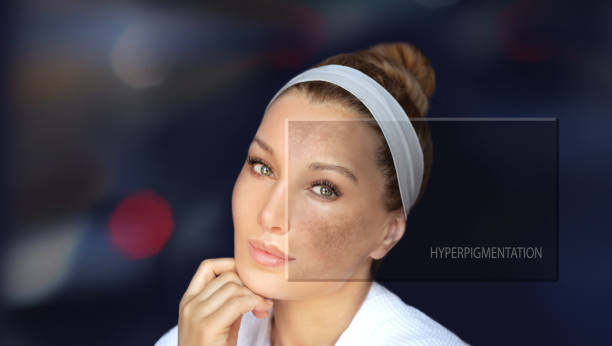

People of all ages and skin tones are affected by hyperpigmentation, one of the most prevalent skin issues. It may manifest as uneven patches, dark blotches, or a persistently drab appearance. Although it’s not harmful, it can undermine self-esteem and cause frustration, particularly when treatments or products don’t seem to have much of an impact. The good news is that hyperpigmentation can be successfully treated at home with the correct strategy, patience, and persistence.
It’s crucial to comprehend the true nature of hyperpigmentation before beginning to cure it. In essence, it is caused by the skin producing too much melanin. The pigment that gives your skin its color is called melanin, and occasionally the melanocytes that make it overproduce. Numerous factors, including as sun exposure, inflammation from wounds or acne, hormone fluctuations, or specific medical disorders, can cause this. Since not all dark spots are created equal, knowing the origin of your hyperpigmentation will help you treat it more successfully.
The fact that there are no quick remedies when it comes to home management of hyperpigmentation is among the most crucial things to understand. Any product or treatment that promises instant results is probably unrealistic or harsh on your skin because skin requires time to repair and regenerate. Instead of bleaching or stripping your skin, the objective is to help your skin’s natural healing process while subtly lessening the appearance of discolouration.
Regular sun protection is the cornerstone of at-home hyperpigmentation treatment. It is impossible to overstate this. One of the main causes of melanin production is the sun’s ultraviolet radiation. Even small amounts of exposure, such as sitting by a sunny window or walking to the car, can exacerbate dark spots or reverse weeks of progress. It is recommended to use a broad-spectrum sunscreen with an SPF of 30 or greater every morning, even on overcast days. Yes, since UV rays can pass through glass, even if you’re staying inside. Maintaining protection requires reapplication every several hours, particularly if you’re perspiring or spending time outside. If your skin is still exposed to the sun without protection, no therapy will work.
After using sunscreen every day, you can start incorporating pigmentation-targeting chemicals gradually and successfully. Vitamin C is one of the most commonly advised. It is an effective antioxidant that fights free radicals, brightens the complexion, and, with time, can help lighten dark spots that already exist. To improve overall skin tone and increase protection, apply vitamin C serums in the morning under sunscreen. To avoid oxidation, keep your serum in a cold, dark location and look for stable forms such as magnesium ascorbyl phosphate or ascorbic acid.
Another mild yet efficient treatment for hyperpigmentation is niacinamide, often known as vitamin B3. It helps to balance out tone and lighten dark spots by preventing melanin from being transferred to the skin’s surface. It also works well with other active substances, lowers inflammation, and fortifies the skin barrier. Serums, moisturizers, and even toners contain it. Most skin types, especially sensitive skin, may tolerate it well.
Azelaic acid is a little-known but incredibly powerful ingredient that targets pigmentation, especially melasma and post-acne marks. It is excellent for those who struggle with both acne and dark spots because of its antibacterial and anti-inflammatory qualities. Depending on the concentration and the tolerance of your skin, azelaic acid can be taken once or twice a day in both prescription and over-the-counter preparations.
For a more natural method, try kojic acid, which comes from fungi, licorice root extract, and mulberry extract, which are all known to brighten the skin. These natural substances, which are frequently present in serums, creams, or masks labeled as “brightening” or “tone-correcting,” prevent the synthesis of melanin. They may not be as effective as more potent therapies right away, but they are often less irritating and safer to use on a daily basis.
Exfoliation aids in the treatment of hyperpigmentation. Eliminating dead skin cells encourages skin renewal and improves the penetration of your active compounds. Exfoliation needs to be done gently, though. Excessive exfoliation can aggravate discolouration, raise inflammation, and harm the skin barrier, particularly when done with abrasive scrubs or powerful acids. Choose gentle chemical exfoliants such as low-percentage glycolic acid, lactic acid, or mandelic acid. These alpha hydroxy acids are safe for frequent usage in the majority of routines and aid in the progressive fading of pigmentation. Use physical exfoliants sparingly and only if they are quite mild.
A beta hydroxy acid called salicylic acid may be useful for people with greasy or acne-prone skin. Through internal pore exfoliation, it helps reduce acne-related post-inflammatory hyperpigmentation and prevent outbreaks. Low quantities of salicylic acid are ideal for preventing skin drying out.
Another effective treatment for fading hyperpigmentation is retinoid. They increase collagen production, hasten cell turnover, and aid in the skin’s faster removal of darkened cells. They are derived from vitamin A. While stronger formulations like tretinoin are available with a prescription, over-the-counter alternatives such as retinol or retinaldehyde are appropriate for usage at home. It’s recommended to start out gently, applying a tiny amount a few evenings a week, as retinoid can be irritating at first. Always use a moisturizer with retinoid. They also make people more sensitive to the sun, which makes wearing sunscreen every day even more important.
Your efforts can be aided by minor adjustments to your skincare routine in addition to items. Squeezing or plucking pimples can cause more severe coloration and deeper inflammation. Avoid vigorous cleaning or towel rubbing; instead, be gentle with your skin. Even gently patting your face dry instead of wiping it off might help cut down on needless aggravation.
Lifestyle variables are also important. Antioxidant-rich diets, such as those high in green tea, nuts, seeds, and colorful fruits and vegetables, can aid in skin regeneration and shield your skin from more harm. Hydration is just as crucial. Hydrating skincare products like hyaluronic acid and drinking plenty of water can help skin repair and enhance its overall tone and texture. Taking care of your general health has an impact on how your skin looks and heals because hormones, stress, and sleep all affect how your skin behaves.
Aloe vera, potato juice, turmeric, and honey masks are some of the home cures that some individuals use. These tend to act more slowly and should be used carefully, even though they could feel calming and have minor brightening effects. For instance, lemon juice, although frequently advised, is excessively acidic and can irritate or even burn the skin when applied undiluted, and turmeric can discolor skin and clothing. Instead of putting raw forms of these chemicals directly on your face, search for products that contain them in safe, tested formulations if you prefer natural treatments.
It’s also important to remember that different types of hyperpigmentation react differently. Melasma, which manifests as larger discolored patches that are frequently caused by hormones, can be especially difficult to treat and may need ongoing care. Although generally easier to treat, post-inflammatory hyperpigmentation (PIH), which occurs after acne or skin injury, still takes time. Sunspots and freckles may fade, but they frequently don’t go away entirely without expert procedures like chemical or laser peels.
Nevertheless, home care can still have a big impact. Just by following their program consistently, shielding their skin from the sun, and using products that promote skin regeneration, many people notice noticeable improvements in just a few months. Avoiding a rapid transition between products is crucial. Before determining whether a new product is effective, give your skin at least 6 to 8 weeks to use it. Before using new treatments on your entire face, it’s a good idea to patch test them on a tiny area, particularly if your skin is reactive or sensitive.
Professional procedures like laser therapy, chemical peels, and microdermabrasion may hasten results, but they are not the only way to achieve skin that is clearer and more evenly toned. Dedicated home care alone can be successful for many people, especially if they approach it realistically and patiently. The goal of skincare is to establish a healthy foundation for your skin’s growth, not to achieve perfection.
Understanding your skin’s requirements and honoring its natural rhythm are ultimately key to reducing hyperpigmentation at home. It involves developing a regimen that gently and successfully supports your skin, emphasizing nourishment, protection, and regular maintenance. Although there isn’t a single, universally applicable answer, there are numerous ways to achieve skin that is more even and brighter. With the correct strategy, the journey is completely achievable and incredibly fulfilling, even though it may take some time.