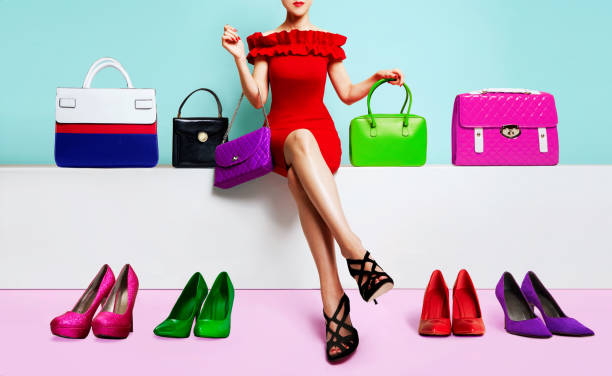

Fashion is frequently referred to as an art form, a way for us to express ourselves without using words. The mix of shoes and bags is one of the many aspects that make up a well-put-together ensemble, and it has a surprisingly strong effect. These two items might not seem like much, but when carefully chosen, they can turn even the most basic ensemble into something elegant, well-thought-out, and fashionable. Nonetheless, matching bags and shoes do not always have to be the same. The strict requirement that your shoes and purse be the same color or material has long since been abandoned by fashion. These days, balance, contrast, and harmony are key.
Recognizing the importance of shoes and bags to your entire appearance is the first step in knowing how to pair them. Consider them as a component of a greater visual narrative rather than as separate objects. An ensemble is more than simply what you wear; it’s also about how each piece works with the others. Your bag and shoes serve as eye-catching embellishments that gently convey personality, occasion, mood, and season. When combined, they have the power to unify or fragment your ensemble. The good news is that anyone can learn to pair them effectively with a little awareness and purpose.
In the past, it was regarded the gold standard to match the color of your handbag and shoes identically. This timeless style is still appropriate, particularly for formal settings where a monochrome or tonal palette heightens the feeling of sophistication. Consider wearing bare pumps with a beige leather bag for a business environment or a black clutch and black heels for a black-tie gala. These pairings are effective because they exude elegance and simplicity. However, contemporary fashion is far more imaginative and forgiving. In addition to color, matching now encompasses texture, material, tone, shape, and even attitude.
Focusing on the color scheme of your entire ensemble rather than making your shoes and bag precisely match is one of the best ways to achieve visual harmony. For example, a pair of burgundy shoes and a dusty rose or plum handbag might make a subtle yet elegant combination with a navy outfit. Finding tones that enhance rather than compete with one another and the rest of your ensemble is the goal. You can mix and match according to occasion, season, and mood using this strategy, which offers you far greater versatility.
Other crucial elements that are frequently disregarded are texture and substance. Sometimes the finishes of suede bags and patent leather shoes don’t go well together, not because of color. Something as sleek, such as a structured leather tote or a metallic clutch, would go better with a high-gloss material. Conversely, soft materials like cotton backpacks or linen totes go nicely with casual canvas sneakers. There should be a sense of intentional alignment or contrast between the textures. Being cohesive is more important than being exactly alike.
Prints and patterns provide a wonderful way to show creativity while also adding another level of intricacy. A basic bag in one of the pattern’s tones helps maintain equilibrium when wearing shoes with animal print. On the other hand, wearing neutral shoes with a printed bag can highlight the upper body. Generally speaking, the rule is to have one accessory serve as the “statement” piece and the other as a supporting piece. Unless you’re really aiming for a maximalist aesthetic—which, when done effectively, can still be stylish—having too many patterns or strong colors in both pieces might make the ensemble seem disorganized.
The type of materials and colors you select are also influenced by the season. Lighter hues, organic textures, and airy styles are popular in the warmer months. Consider wearing pastel flats or a white crossbody bag with woven bags and strappy sandals. Autumn and winter, on the other hand, frequently demand more robust materials and richer colors. Winter-appropriate warmth and depth are created by pairing structured purses in jewel tones or earthy hues with dark leather boots. Accessorizing according to the season improves the coherence of your entire look and gives your ensemble a more deliberate sense.
Your partnering choices are also influenced by the event. Strict coordination is not necessary for a laid-back day out. Even if their colors don’t match, a soft leather sling bag and white shoes go together like clockwork. However, more meticulous planning frequently yields superior results for a wedding or evening event. Here, metallics are frequently chosen—silver shoes with a sleek gray purse, gold heels with a champagne clutch. They have a celebratory vibe without being very matchy-matchy. Consider the formality of your attire when making your selections for such occasions. Accessorizing too much or too little might ruin the entire ensemble.
Perhaps the most crucial element of matching shoes and luggage is personal taste. Some people adore vivid hues, eye-catching contrasts, and whimsical pairings. Some people favor a simple, neutral-toned clothing in which everything blends together harmoniously. Understanding your style aids in creating a “formula” that suits you. A minimalist might limit themselves to accessories in shades of black, white, tan, and grey that go well with most ensembles. A maximalist might like to blend textures and patterns and invest in bold pieces, such as a statement purse and red boots. As long as the finished appearance is deliberate and well-balanced, there is no incorrect way to go.
Over time, matching might become lot simpler if you have a diverse accessory wardrobe. Purchasing a few well-made, muted-colored shoes and purses provides you with a solid starting point. Numerous ensembles can be combined with a few carefully chosen handbags, white sneakers, black heels, and nude flats. After you’ve covered the essentials, you may add statement or seasonal elements to your ensemble, such patterned bags, metallic shoes, or a bright purse. You’ll find it much simpler to put together well-balanced ensembles without overthinking if you alternate between classic pieces and cutting-edge accents.
Another contemporary styling strategy that gives you more options when it comes to accessory combination is color blocking. It entails combining striking, solid hues that complement one another. For example, cobalt blue flats with a coral pocketbook or emerald green shoes with a mustard handbag. These pairings look best when the accessories take center stage and the rest of the ensemble is kept quite simple. This approach makes your shoes and bag the main attraction while celebrating color and self-assurance. When used properly, color blocking may give your ensemble a deliberate, fashion-forward appearance.
There’s also merit in completely disregarding the rules, but doing it with assurance and purpose. Fashion is always changing, and many style heroes have established themselves by defying expectations. When it’s obvious that it’s a deliberate decision, wearing mismatched shoes and bags can appear really chic. A pair of shoes with a leopard print and a bright red tote? It might look great if you dress neutrally and have a positive outlook. The most important thing is that the mismatch blends in with the rest of the ensemble. Imagine it as creative but regulated chaos.
In the end, confidence is the most crucial element when it comes to matching your shoes and luggage. The way you present yourself completes the style, regardless of whether you opt for a stark contrast, a subtle compliment, or a perfect match. It is evident when you feel comfortable about the clothes you are wearing. Your energy increases, your presence becomes more captivating, and your posture gets better. The true allure of fashion lies not only in appearances but also in the emotions they evoke.
Developing your sense of balance, color, and mood is more important than following rigid fashion guidelines when it comes to matching shoes and bags. It’s about employing accessories as means of expression and choosing pieces that enhance rather than detract from your ensemble. This ability becomes second nature as you continue to try new things and follow your gut. You’ll begin to see what looks good together, what suits you, and how minor adjustments to texture, tone, or shape may completely affect your appearance.
Therefore, don’t make shoes and a bag an afterthought the next time you’re assembling an ensemble. Take advantage of them to show off your individuality, improve your style, and connect your ensemble. Keep in mind that fashion is as much about joy as it is about shape, whether you’re sticking to a classic style with complementary colors or experimenting with striking contrasts. Allow your accessories to speak for you in a bold, imaginative, and comprehensive way.